


Range Rover vs. Range Rover Sport (2020–2025): Luxury, Performance & Features Compared
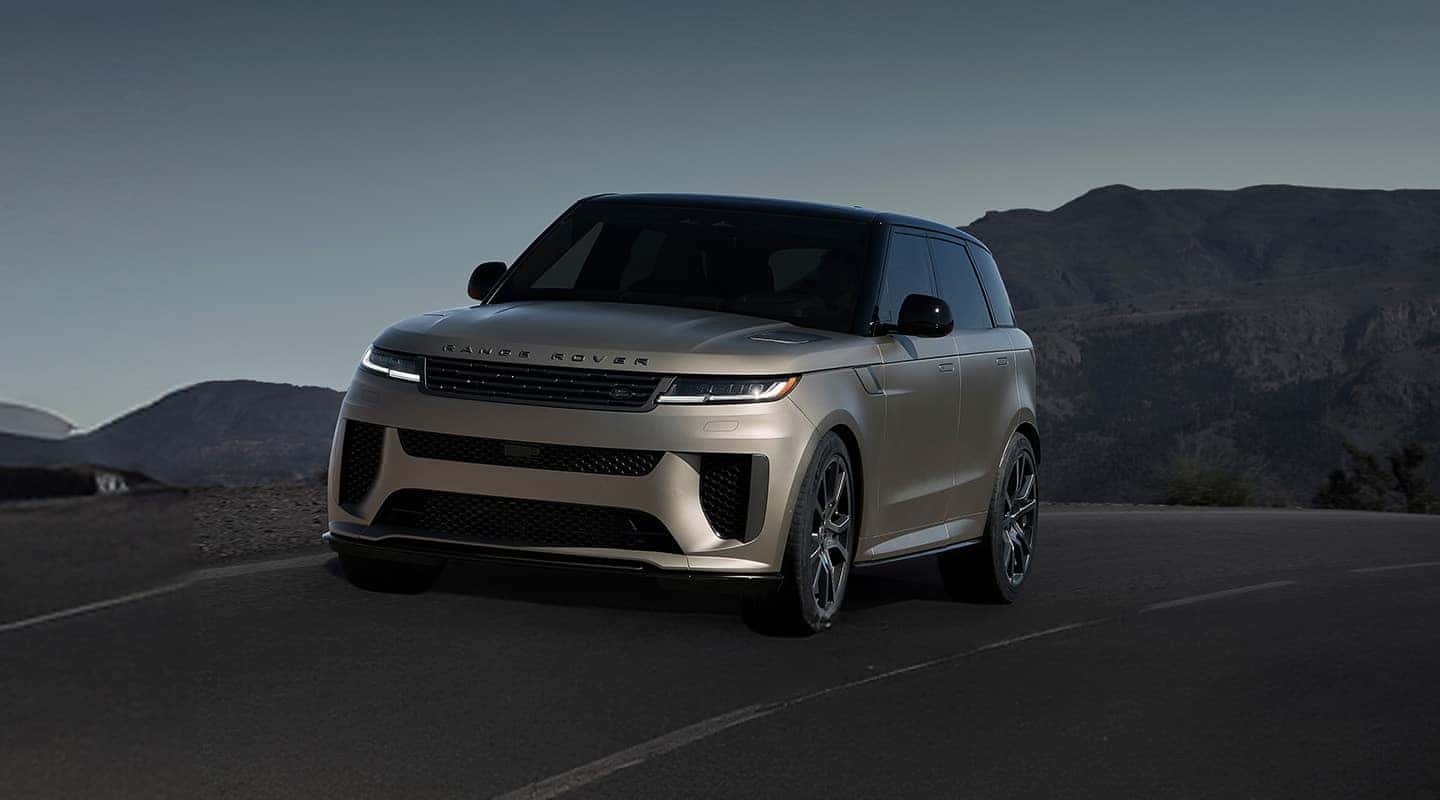
Range Rover vs. Range Rover Sport (2020-2025) – A Feature-by-Feature Breakdown
The period from 2020 to 2025 marked significant evolution for both the Range Rover and the Range Rover Sport. Known for their luxury and off-road prowess, these models have continually set benchmarks in the SUV market. The Range Rover, with its iconic design and unparalleled comfort, has remained a symbol of prestige. Meanwhile, the Range Rover Sport has carved its niche as a dynamic and agile alternative, appealing to those who desire performance without compromising on luxury.
Over these years, both models have undergone technological advancements and design tweaks. The integration of hybrid technology, for instance, has been a game-changer, allowing these vehicles to cater to environmentally conscious consumers without sacrificing power. Additionally, the interiors have seen significant upgrades with more sustainable materials and cutting-edge infotainment systems, ensuring that both models remain at the forefront of automotive luxury.
The Range Rover and Range Rover Sport have also seen improvements in safety features. With the implementation of advanced driver-assistance systems, both models offer enhanced safety, making them ideal for both city driving and off-road adventures. These updates ensure that whether you’re navigating urban landscapes or exploring rugged terrains, you do so with the utmost confidence and style.
Performance Comparison: Range Rover vs. Range Rover Sport (2020–2025)
When it comes to performance, the Range Rover and Range Rover Sport each have their distinct strengths. The Range Rover is celebrated for its smooth ride and off-road capabilities, making it a favorite among those who appreciate a balance of luxury and ruggedness. Its powerful engines deliver exceptional torque and horsepower, ensuring that even the toughest terrains are conquered with ease.
In contrast, the Range Rover Sport is designed for those who prioritize agility and speed. It brings a sportier driving experience, thanks to its more compact size and dynamic handling. The Sport features a range of powerful engines, including a V8 option, which provides thrilling acceleration and performance. This makes it a perfect choice for those who desire an engaging driving experience, whether on highways or winding roads.
Both models offer a variety of engine options, including hybrid variants that enhance fuel efficiency. The inclusion of adaptive suspension systems in both vehicles ensures that you enjoy a comfortable ride, regardless of the driving conditions. Ultimately, your choice between these two models will depend on whether you value the Range Rover’s traditional luxury and off-road prowess or the Range Rover Sport’s athletic performance.
Towing Capacity: 2020-2025 Range Rover vs. Range Rover Sport
Towing capacity is a crucial consideration for many SUV buyers, and both the Range Rover and Range Rover Sport deliver impressive capabilities.
The Range Rover is renowned for its robust towing performance, offering a maximum towing capacity of up to 8,200 pounds (3,719 kg) in properly equipped models within the 2020-2025 timeframe. This capability makes it exceptionally well-suited for hauling substantial loads such as large trailers, boats, or even another vehicle. This is often complemented by advanced towing technology, including:
- Advanced Tow Assist: Simplifies maneuvering trailers by allowing the driver to steer using the rotary Terrain Response 2 controller.
- Hitch Assist: Provides visual guidance on the infotainment screen to help precisely align the vehicle with a trailer hitch.
- Trailer Stability Assist: Monitors trailer sway and can selectively apply braking to individual wheels to help restore stability.
- Electrically Deployable Tow Bar: Offers a convenient and aesthetically integrated towing solution.
The Range Rover Sport, while still a capable SUV, generally offers a slightly lower maximum towing capacity compared to its flagship sibling. Depending on the engine and specific configuration, the maximum towing capacity for the Range Rover Sport typically ranges up to 7,716 pounds (3,500 kg) within the 2020-2025 model years.
While still substantial and suitable for many towing needs like smaller boats, campers, or utility trailers, it doesn’t quite match the top-end capability of the standard Range Rover. The Sport also benefits from advanced traction and stability control systems that enhance the towing experience, ensuring a secure and confident pull.
| Model Year(s) | Range Rover (Typical Max) | Range Rover Sport (Typical Max) | Notes |
|---|---|---|---|
| 2020 | Up to 7,716 lbs (3,500 kg) | Up to 7,716 lbs (3,500 kg) | PHEV models had lower capacities (around 5,511 lbs). |
| 2021-2022 | Up to 7,716 – 8,200 lbs (3,500 – 3,719 kg) | Up to 7,716 lbs (3,500 kg) | Higher capacity often associated with specific engine options (e.g., certain V8s). PHEV models continued to have lower ratings. |
| 2023-2024 | Up to 8,200 lbs (3,719 kg) | Up to 7,716 lbs (3,500 kg), some lower | The standard Range Rover generally maintained the higher rating. Some Range Rover Sport Autobiography trims showed slightly lower ratings (around 6,614 lbs). |
| 2025 (Early) | Up to 7,715 – 8,200 lbs (3,500 – 3,719 kg) | Up to 7,716 lbs (3,500 kg) | Based on early information for the 2025 models, the trend of the standard Range Rover having a slightly higher potential maximum continues. |
| Towing Tech | Advanced Tow Assist, Hitch Assist, Trailer Stability Assist | Often includes similar features | Availability of specific technologies can vary by trim level and model year. |
Whether you’re an outdoor enthusiast who needs to tow recreational equipment or someone who requires additional hauling capacity for work purposes, both models offer reliable and robust solutions. Their towing capabilities, coupled with their luxurious interiors and advanced technology, make them ideal choices for anyone seeking a blend of utility and sophistication.
Price Comparison: Range Rover vs. Range Rover Sport (2025)
As we look towards 2025, both the Range Rover and Range Rover Sport maintain their positions as luxury vehicles, which is reflected in their pricing.
The Range Rover typically commands a higher price due to its status as the flagship model. Its starting price in 2025 is anticipated to be around $95,000, with fully loaded versions reaching well over $150,000, depending on customization and optional features.
| Trim | Starting MSRP (Approx.) | Key Highlights |
|---|---|---|
| Range Rover SE (Standard Wheelbase) | ~$107,900 | Premium leather seats, panoramic roof, advanced infotainment, comprehensive safety features. |
| Range Rover SE (Long Wheelbase) | ~$114,900 | Additional rear legroom, potential for optional seven-seat configuration. |
| Range Rover Autobiography (SWB) | ~$151,600 | Upgraded leather, enhanced interior finishes, premium sound system, advanced driver-assistance features, typically more powerful engine options. |
| Range Rover Autobiography (LWB) | ~$170,900 | Extended wheelbase with increased luxury and comfort for rear passengers, often includes executive seating options. |
| Range Rover SV (Standard Wheelbase) | ~$209,000 | Ultra-luxury materials, bespoke customization options, exclusive design elements, high-performance engine. |
| Range Rover SV (Long Wheelbase) | ~$234,000 | Long wheelbase with the pinnacle of Range Rover luxury, often with a four-seat configuration and exclusive comfort features. |
On the other hand, the Range Rover Sport is priced more competitively, starting at approximately $70,000. The Sport offers a more accessible entry point into the world of Range Rover luxury while still providing many of the same high-end features and performance capabilities. High-spec versions can also climb into the six-figure range, especially when equipped with the most powerful engines and premium packages.
| Trim | Starting MSRP (Approx.) | Key Highlights |
|---|---|---|
| Range Rover Sport SE | ~$83,700 | Windsor leather seats, Meridian™ Sound System, 20-way electric heated and ventilated front seats. |
| Range Rover Sport Dynamic SE | ~$90,800 | More powerful engine options, Dynamic Exterior Pack, Satin Burnished Copper accents, bright metal pedals. |
| Range Rover Sport Autobiography | ~$118,700 | Upgraded Semi-Aniline leather, Meridian™ 3D Surround Sound System, 22-way massaging front seats, Pixel LED headlights. |
| Range Rover Sport SV Edition Two | ~$180,700 | High-performance engine, unique SV design elements, carbon fiber accents, advanced chassis technology (6D Dynamics), premium seating materials. |
The price difference between these two models reflects their target audiences. The Range Rover appeals to those who seek the pinnacle of luxury and exclusivity, while the Range Rover Sport caters to consumers who desire performance and agility at a slightly lower price point. Both vehicles offer excellent value for their respective price ranges, ensuring that you receive a top-tier experience no matter which model you choose.
Fuel Economy: Range Rover vs. Range Rover Sport (2020–2025)
Fuel economy has become an increasingly important factor for SUV buyers, and both the Range Rover and Range Rover Sport have made strides in this area. The introduction of hybrid models has significantly improved the fuel efficiency of both vehicles, allowing them to deliver better mileage without compromising on power or performance.
| Model Year(s) | Powertrain | City MPG (Est.) | Highway MPG (Est.) | Combined MPG (Est.) | MPGe (Est.) | Electric Range (PHEV Est.) |
|---|---|---|---|---|---|---|
| 2020-2022 | 3.0L I6 MHEV (P360/P400) | 19-20 | 24-25 | 21-22 | N/A | N/A |
| 2020-2022 | 2.0L I4 PHEV (P400e) | 19 (gas only) | 21 (gas only) | 19 (gas only) | 42 | ~19 miles |
| 2020-2022 | 5.0L V8 Supercharged (P525/P565) | 14-16 | 19-21 | 16-18 | N/A | N/A |
| 2023-2024 | 3.0L I6 MHEV (P360/P400) | 18-20 | 24-26 | 20-22 | N/A | N/A |
| 2023-2024 | 3.0L I6 PHEV (P440e) | – | – | – | 50 | ~48 miles |
| 2023-2024 | 4.4L V8 Twin-Turbo (P530) | 16 | 21-23 | 18-19 | N/A | N/A |
| 2025 (Est.) | 4.4L V8 Twin-Turbo (P530) | 16 | 21-23 | 18-19 | 50 | ~48 miles |
The Range Rover, with its hybrid variants, offers an impressive fuel economy for a vehicle of its class. Its plug-in hybrid options provide the flexibility of electric-only driving for short distances, making it an eco-friendly choice for city commutes. The traditional internal combustion engine options have also seen improvements in efficiency, ensuring that you can enjoy longer journeys with fewer stops at the fuel pump.
| Model Year(s) | Powertrain | City MPG (Est.) | Highway MPG (Est.) | Combined MPG (Est.) | MPGe (Est.) | Electric Range (PHEV Est.) |
|---|---|---|---|---|---|---|
| 2020-2022 | 3.0L I6 MHEV (P360/P400) | 18-19 | 23-25 | 20-21 | N/A | N/A |
| 2020-2022 | 2.0L I4 PHEV (P400e) | 19 (gas only) | 22 (gas only) | 21 (gas only) | – | ~19 miles |
| 2020-2022 | 5.0L V8 Supercharged (P525/P565) | 15-16 | 20-22 | 17-18 | N/A | N/A |
| 2023-2024 | 3.0L I6 MHEV (P360/P400) | 19-20 | 24-25 | 21-22 | N/A | N/A |
| 2023-2024 | 3.0L I6 PHEV (P460e/P550e) | 21 (gas only) | 22 (gas only) | 21 (gas only) | 51-53 | ~48-53 miles |
| 2023-2024 | 4.4L V8 Twin-Turbo MHEV (P530) | 16 | 22 | 18 | N/A | N/A |
| 2025 (Est.) | 4.4L V8 Twin-Turbo MHEV (P530) | 16 | 22 | 18 | 51-53 | ~48-53 miles |
Similarly, the Range Rover Sport’s focus on performance doesn’t come at the cost of efficiency. Its hybrid models offer competitive fuel economy, and even the non-hybrid versions benefit from engine advancements that enhance mileage. This makes the Sport a smart choice for those who want to balance performance with practicality, ensuring that you get the most out of every gallon of fuel.
Range Rover vs. Range Rover Sport (2020–2025): Which Range Rover Model is Right for You?
Choosing between the Range Rover and the Range Rover Sport depends on your lifestyle and priorities. If you value traditional luxury, unmatched comfort, and superior off-road capabilities, the Range Rover is an ideal choice. Its spacious interior, premium materials, and advanced technology make it a perfect fit for those who desire the ultimate in SUV luxury.
Alternatively, if you’re looking for a more dynamic driving experience with sporty handling and performance, the Range Rover Sport may be more suited to your needs. It offers a blend of luxury and agility, making it an excellent choice for those who enjoy spirited driving and sporty aesthetics. The Sport’s slightly smaller size also makes it easier to maneuver in urban environments.
Both models offer a plethora of customization options, allowing you to tailor your vehicle to your specific tastes and requirements. Whether you prioritize luxury, performance, or a mix of both, there is a Range Rover model that will cater to your needs. Consider your lifestyle, driving habits, and personal preferences when making your decision, and you’ll find the perfect match in the esteemed Range Rover lineup.
The Range Rover and Range Rover Sport from 2020 to 2025 offer impressive features, performance, and luxury. Whether you opt for the classic elegance of the Range Rover or the sporty allure of the Range Rover Sport, both models promise to deliver a top-tier driving experience. As you consider your next vehicle purchase, take the time to visit a dealership and experience these remarkable SUVs firsthand.
If you’re ready to explore the latest innovations in luxury and performance, schedule a test drive today at your nearest Range Rover dealer. Discover firsthand which model suits your lifestyle and enjoy the pinnacle of automotive excellence. Don’t miss the opportunity to find your perfect Range Rover and start your journey in style and comfort.
0 comment(s) so far on Range Rover vs. Range Rover Sport (2020–2025): Luxury, Performance & Features Compared